Deprecated: optional(): Implicitly marking parameter $callback as nullable is deprecated, the explicit nullable type must be used instead in /www/wwwroot/progenyivf.ocry.com/vendor/illuminate/support/helpers.php on line 190

Deprecated: with(): Implicitly marking parameter $callback as nullable is deprecated, the explicit nullable type must be used instead in /www/wwwroot/progenyivf.ocry.com/vendor/illuminate/support/helpers.php on line 430

Deprecated: Jenssegers\Blade\Blade::__construct(): Implicitly marking parameter $container as nullable is deprecated, the explicit nullable type must be used instead in /www/wwwroot/progenyivf.ocry.com/vendor/jenssegers/blade/src/Blade.php on line 34

Deprecated: Illuminate\Container\Container::beforeResolving(): Implicitly marking parameter $callback as nullable is deprecated, the explicit nullable type must be used instead in /www/wwwroot/progenyivf.ocry.com/vendor/illuminate/container/Container.php on line 1151

Deprecated: Illuminate\Container\Container::resolving(): Implicitly marking parameter $callback as nullable is deprecated, the explicit nullable type must be used instead in /www/wwwroot/progenyivf.ocry.com/vendor/illuminate/container/Container.php on line 1171

Deprecated: Illuminate\Container\Container::afterResolving(): Implicitly marking parameter $callback as nullable is deprecated, the explicit nullable type must be used instead in /www/wwwroot/progenyivf.ocry.com/vendor/illuminate/container/Container.php on line 1191

Deprecated: Illuminate\Container\Container::setInstance(): Implicitly marking parameter $container as nullable is deprecated, the explicit nullable type must be used instead in /www/wwwroot/progenyivf.ocry.com/vendor/illuminate/container/Container.php on line 1430

Deprecated: Illuminate\Contracts\Container\Container::beforeResolving(): Implicitly marking parameter $callback as nullable is deprecated, the explicit nullable type must be used instead in /www/wwwroot/progenyivf.ocry.com/vendor/illuminate/contracts/Container/Container.php on line 200

Deprecated: Illuminate\Contracts\Container\Container::resolving(): Implicitly marking parameter $callback as nullable is deprecated, the explicit nullable type must be used instead in /www/wwwroot/progenyivf.ocry.com/vendor/illuminate/contracts/Container/Container.php on line 209

Deprecated: Illuminate\Contracts\Container\Container::afterResolving(): Implicitly marking parameter $callback as nullable is deprecated, the explicit nullable type must be used instead in /www/wwwroot/progenyivf.ocry.com/vendor/illuminate/contracts/Container/Container.php on line 218

Deprecated: Illuminate\View\FileViewFinder::__construct(): Implicitly marking parameter $extensions as nullable is deprecated, the explicit nullable type must be used instead in /www/wwwroot/progenyivf.ocry.com/vendor/illuminate/view/FileViewFinder.php on line 53

Deprecated: Illuminate\Support\Traits\Conditionable::when(): Implicitly marking parameter $callback as nullable is deprecated, the explicit nullable type must be used instead in /www/wwwroot/progenyivf.ocry.com/vendor/illuminate/conditionable/Traits/Conditionable.php on line 21

Deprecated: Illuminate\Support\Traits\Conditionable::when(): Implicitly marking parameter $default as nullable is deprecated, the explicit nullable type must be used instead in /www/wwwroot/progenyivf.ocry.com/vendor/illuminate/conditionable/Traits/Conditionable.php on line 21

Deprecated: Illuminate\Support\Traits\Conditionable::unless(): Implicitly marking parameter $callback as nullable is deprecated, the explicit nullable type must be used instead in /www/wwwroot/progenyivf.ocry.com/vendor/illuminate/conditionable/Traits/Conditionable.php on line 53

Deprecated: Illuminate\Support\Traits\Conditionable::unless(): Implicitly marking parameter $default as nullable is deprecated, the explicit nullable type must be used instead in /www/wwwroot/progenyivf.ocry.com/vendor/illuminate/conditionable/Traits/Conditionable.php on line 53

Deprecated: Illuminate\Support\Arr::first(): Implicitly marking parameter $callback as nullable is deprecated, the explicit nullable type must be used instead in /www/wwwroot/progenyivf.ocry.com/vendor/illuminate/collections/Arr.php on line 188

Deprecated: Illuminate\Support\Arr::last(): Implicitly marking parameter $callback as nullable is deprecated, the explicit nullable type must be used instead in /www/wwwroot/progenyivf.ocry.com/vendor/illuminate/collections/Arr.php on line 219

Deprecated: Illuminate\Events\Dispatcher::__construct(): Implicitly marking parameter $container as nullable is deprecated, the explicit nullable type must be used instead in /www/wwwroot/progenyivf.ocry.com/vendor/illuminate/events/Dispatcher.php on line 75

Deprecated: Illuminate\View\Compilers\BladeCompiler::anonymousComponentPath(): Implicitly marking parameter $prefix as nullable is deprecated, the explicit nullable type must be used instead in /www/wwwroot/progenyivf.ocry.com/vendor/illuminate/view/Compilers/BladeCompiler.php on line 811

Deprecated: Illuminate\View\Compilers\BladeCompiler::anonymousComponentNamespace(): Implicitly marking parameter $prefix as nullable is deprecated, the explicit nullable type must be used instead in /www/wwwroot/progenyivf.ocry.com/vendor/illuminate/view/Compilers/BladeCompiler.php on line 833

Deprecated: Illuminate\View\View::render(): Implicitly marking parameter $callback as nullable is deprecated, the explicit nullable type must be used instead in /www/wwwroot/progenyivf.ocry.com/vendor/illuminate/view/View.php on line 156

Deprecated: Illuminate\View\Engines\CompilerEngine::__construct(): Implicitly marking parameter $files as nullable is deprecated, the explicit nullable type must be used instead in /www/wwwroot/progenyivf.ocry.com/vendor/illuminate/view/Engines/CompilerEngine.php on line 42

Deprecated: Illuminate\Support\Str::createRandomStringsUsing(): Implicitly marking parameter $factory as nullable is deprecated, the explicit nullable type must be used instead in /www/wwwroot/progenyivf.ocry.com/vendor/illuminate/support/Str.php on line 962

Deprecated: Illuminate\Support\Str::createUuidsUsing(): Implicitly marking parameter $factory as nullable is deprecated, the explicit nullable type must be used instead in /www/wwwroot/progenyivf.ocry.com/vendor/illuminate/support/Str.php on line 1667

Deprecated: Illuminate\Support\Str::freezeUuids(): Implicitly marking parameter $callback as nullable is deprecated, the explicit nullable type must be used instead in /www/wwwroot/progenyivf.ocry.com/vendor/illuminate/support/Str.php on line 1712

Deprecated: Illuminate\Support\Str::createUlidsUsing(): Implicitly marking parameter $factory as nullable is deprecated, the explicit nullable type must be used instead in /www/wwwroot/progenyivf.ocry.com/vendor/illuminate/support/Str.php on line 1774

Deprecated: Illuminate\Support\Str::freezeUlids(): Implicitly marking parameter $callback as nullable is deprecated, the explicit nullable type must be used instead in /www/wwwroot/progenyivf.ocry.com/vendor/illuminate/support/Str.php on line 1819
Robとstolenの違いを完全解説!受動態の罠と英語の使い分け

Robとstolenの違いを完全解説!受動態の罠と英語の使い分け

目次
Robとstolenの違いを完全解説!受動態の罠と英語の使い分け
@ creator • Click to Play Video Inline
🎵 Robとstolenの違いを完全解説!受動態の罠と英語の使い分け

海外旅行中のトラブルや英語資格試験(TOEIC・大学入試)のライティングで、多くの日本人が一度は混乱するのが「盗む・奪う」を意味する英語動詞の使い分けです。日常会話で「財布を盗まれた」と言おうとして誤って「I was stolen.」と口にしてしまうと、ネイティブスピーカーには「私自身が物体のように盗み去られた(誘拐・拉致された)」と奇妙に解釈されてしまいます。

英語の「rob」と「steal(過去分詞:stolen)」は、日本語の辞書では同じように訳されがちですが、文法上で後ろに取る目的語が「被害を受けた人・場所」なのか「盗まれた物品そのもの」なのかによって明確に区別されます。本稿では、最新の国際報道実例や言語構造の分析を交えながら、ネイティブが直感的に行っている使い分けの本質、受動態のルール、そして試験で頻出する語法パターンを徹底的に紐解きます。

📌 【この記事の重要ポイントまとめ】
  • 要点1:robの目的語は「人・場所(被害者側)」であり、stealの目的語は「盗まれた物品・金品」を取るのが鉄則。
  • 要点2:受動態では「I was robbed(強盗被害に遭った)」に対し、「My wallet was stolen(財布が盗まれた)」と主語が入れ替わる。
  • 要点3:高校英語やTOEICで頻出の「rob A of B(AからBを奪う)」と「steal A from B(BからAを盗む)」の前置詞パターンの違いが判別の決定打になる。

【決定的な違い】robとstolen(steal)の核心|目的語が「人」か「モノ」か

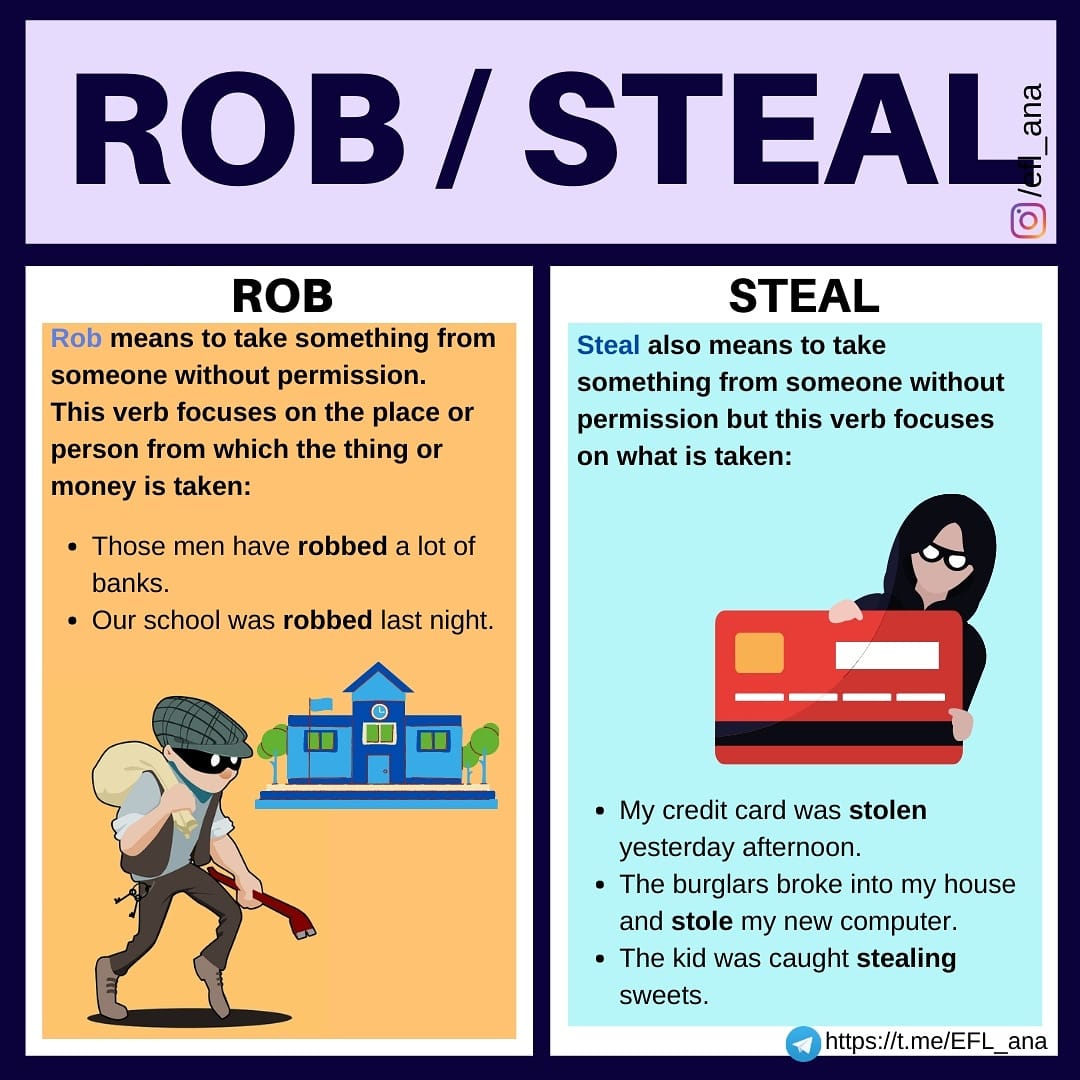
「rob」と「steal」の根本的な違いは、動作の焦点(ターゲット)がどこに向いているかという点にあります。この2つの動詞は、英語の語源的・統語論的な観点からも明確に役割が分担されています。

まずrobは、「人や場所を襲撃して、力づくや脅迫によって金品を奪い去る(強盗を働く)」という行為を表します。そのため、動詞の直後に置かれる目的語には必ず「被害を受けた人」や「襲撃された場所(銀行・店舗・家など)」が入ります。

一方でstealは、「持ち主に気づかれないようにこっそりと、あるいは不法に物品を持ち去る(盗難・窃盗)」行為を指します。このため、stealの直後に置かれる目的語は常に「盗み出された物品・お金そのもの」となります。stealの過去分詞形であるstolenは、受動態(be stolen)や名詞を修飾する形容詞的用法(stolen goods=盗品)として頻繁に使用されます。

この目的語の性質の違いを理解することが、動詞の使い分けにおける最大の鍵となります。
当時のメディア報道・掲載写真
【検証資料 1】当時のメディア報道・掲載写真(出典:lookaside.fbsbx.com)

【比較表で一発理解】文法構造と前置詞のパターンを徹底対比

両者の構造的な違いを把握するために、能動態・受動態・前置詞の組み合わせを整理した比較表を以下に示します。

項目rob(強盗する・奪う)steal / stolen(盗む・窃盗する)編集部の見解・判別ポイント
直接の目的語人・場所(被害者側)
例:a bank, me, the store
物品・金銭(盗まれた物)
例:a watch, money, my bicycle
「何を直接襲ったか」と「何が移動したか」の視点の違い。
基本構文と前置詞rob [人/場所] of [物]
(分離・剥奪のof)
steal [物] from [人/場所]
(起点・出所のfrom)
前置詞がofかfromかで直前の動詞を瞬時に特定可能。
受動態の基本形[人/場所] be robbed (of [物])
例:He was robbed of his phone.
[物] be stolen (from [人/場所])
例:His phone was stolen.
「I was stolen」は文法的に人間が盗品化するため絶対不可。
犯罪のニュアンス直接的な対面・脅迫・暴力・破壊を伴う「強盗(Robbery)」非対面・こっそり・知らぬ間の「窃盗・盗難(Theft)」刑法上の「強盗罪」と「窃盗罪」の違いに極めて近い。

【事件報道から学ぶ現場英語】ルーブル宝飾品盗難から銀行強盗の実例検証

実際の英字メディアや警察発表において、両動詞がどのように使い分けられているかを具体的な事件報道のテキストから検証します。

国際的な報道記録によると、2025年10月19日にパリのルーブル美術館アポロン・ギャラリー(Galerie d'Apollon)で発生した歴史的盗難事件では、メディア各社が以下のような正確な語法で事件を速報しました。

「Thieves stole eight pieces of the French Crown Jewels valued at approximately €88 million... The robbery took less than eight minutes.」

この報道文において、動詞stole(stealの過去形)の目的語は「eight pieces of the French Crown Jewels(8点のフランス王冠の宝石)」という物品です。一方で、犯行全体を指す名詞にはrobbery(強盗・強奪事件)が用いられています。これは犯人グループが作業員に変装し、家具搬入用リフトを使って美術館の区画へ物理的に侵入・強奪した手口の凶悪性・組織性を反映しているためです。

また、アメリカのFox Newsが報じた特異な事件のヘッドライン「Maryland man allegedly steals kitten, uses it in bank robbery」でも同様の構造が見られます。容疑者はペット用品店から「生後3ヶ月の子猫(kitten=モノ・対象物)」をstole(窃盗)し、その後銀行窓口で現金を脅し取る「bank robbery(銀行強盗)」に及んだと記述されています。

このように、実際の報道現場でも「盗み出された対象そのもの」を語る際にはsteal/stolenが選ばれ、「被害を受けた施設や対人的な脅迫行為」を語る際にはrob/robberyが厳格に選択されています。

活動歴および当時の関連ビジュアル記録
【検証資料 2】活動歴および当時の関連ビジュアル記録(出典:lookaside.fbsbx.com)

【絶対NGな誤用】「I was stolen」がネイティブに爆笑される理由と受動態の罠

英語学習者が最も陥りやすい罠が、被害者である自分を主語にして「盗まれた」と言おうとするケースです。

日本語では「昨日、財布を盗まれた」という表現を自然に使いますが、英語の受動態は「能動態の目的語を主語に引き上げる」という厳格な文法ルールを持っています。

もし「I was stolen yesterday.」と言ってしまうと、能動態に戻したときの意味は「Someone stole me yesterday.(誰かが昨日、私を盗んだ)」となります。これを聞いたネイティブスピーカーは、「あなたが陳列棚から万引きされたのか?」「人身売買や拉致被害に遭ったのか?」と困惑するか、ジョークとして受け取ることになります。

自身が被害に遭ったことを表現したい場合は、以下のいずれかの正しい形を選択しなければなりません。

  • 物品を主語にする場合(stealの受動態):
    「My wallet was stolen on the train.」(電車で財布が盗まれた)
  • 人を主語にする場合(robの受動態):
    「I was robbed of my wallet on the train.」(電車で財布を奪い取られた / 強盗に遭った)
  • 使役・被害のhave構文を用いる場合(日常会話で最も自然):
    「I had my wallet stolen on the train.」(電車で財布を盗まれてしまった)

特に日常の盗難被害(スリや置き引き)を表現する場合、ネイティブの会話では「I had my [物品] stolen.」の形が圧倒的多数を占めます。

【高校英語・TOEIC対策】「rob A of B」構文と頻出分離・剥奪動詞の整理

TOEIC Listening & Reading Testや大学入試の文法・語法問題において、「rob A of B」は超頻出の重要構文です。この構文における前置詞「of」は、何かが本体から離れていく状態を表す「分離・剥奪のof」と呼ばれます。

分離・剥奪を表す重要動詞グループ

英語には、robと同様に「A(人・場所)からB(モノ・要素)を取り去る」という型を取る動詞群が存在します。これらをセットで体系化して記憶することが、スコアアップへの最短ルートです。

  • rob A of B:AからBを奪う(例:The accident robbed him of his sight. / その事故は彼から視力を奪った)
  • deprive A of B:AからB(権利・機会など)を奪う(例:deprive citizens of their rights)
  • strip A of B:AからB(地位・資格・服など)を剥ぎ取る(例:strip the athlete of the medal)
  • clear A of B:AからBを取り除く・片付ける(例:clear the table of dishes)
  • cure A of B:AのB(病気・悪癖)を治す(例:cure him of his bad habit)
  • relieve A of B:AからB(負担・苦痛・任務)を解放する(例:relieve her of anxiety)

空所補充問題で動詞の後ろに「人+of+名詞」の配置が見えた場合、選択肢にstealがあっても即座に除外し、robやdepriveを選択できる瞬発力が求められます。

【プロの結論】動詞の「視線(カメラアングル)」で判断する直感ルール

英文法を丸暗記に頼らず身体化するための基準は、頭の中で動かす「カメラの視点」です。

「犯人が被害者の顔や建物に銃を突きつけている映像」が浮かぶなら、被害者にピントを合わせるrobを選択します。「犯人が机の上やカバンの中からサッと手を伸ばして物品を抜き去る手元」にピントが合っているなら、物品に焦点を当てるsteal(stolen)を選択します。この視覚的なイメージの切り替えさえ身につければ、試験本番や英会話の現場で迷うことは二度となくなります。

公の場での発言・インタビュー報道記録
【検証資料 3】公の場での発言・インタビュー報道記録(出典:tiktok.com)

【rob stolen】に関するよくある質問(FAQ)

Q1:カフェで荷物を置いて席を離れた隙にカバンを盗まれた場合、どちらを使いますか?
A1:相手と対面しておらず、カバンという物品をこっそり持ち去られた状況であるため、steal(stolen)を使います。「My bag was stolen while I was away from my seat.」または「Someone stole my bag.」「I had my bag stolen.」と表現するのが適切です。ナイフで脅されたような状況でなければrobは使いません。

Q2:名詞の「Robber」と「Thief」にはどのような違いがありますか?
A2:Robberは、銀行や店舗、通行人を暴力や凶器で脅して金品を奪う「強盗犯」を指します。一方、Thief(複数形:thieves)は、スリや空き巣、万引きなど、他人の財産を不法に盗み取る「泥棒・窃盗犯」の総称です。また、夜間に家に忍び込む空き巣には「Burglar」、スリには「Pickpocket」という固有の名詞も存在します。

Q3:抽象的なもの(時間やアイデアなど)を奪う場合はどちらを使いますか?
A3:どちらも使われますが、文脈によって構造が分かれます。「私のアイデアが盗まれた」という場合は「My idea was stolen.(stealの受動態)」と言います。一方、「看病で自由な時間を奪われた」のように人から機会や状態を奪う比喩表現では、「The nursing care robbed me of my free time.(rob A of B構文)」と表現します。

まとめ:直感で使い分けるための最終チェックリスト

「rob」と「stolen(steal)」の混同を完全に克服するための基準は非常に明快です。

文を作るときは、まず「何を目的語(または受動態の主語)にしたいのか」を確認してください。被害を受けた「人・銀行・店舗」ならrob(rob A of B / A is robbed)、盗まれた「財布・車・金品」ならsteal(steal A from B / A is stolen)です。

日常英会話から資格試験、ビジネスメールに至るまで、この主語と目的語の明確なルールを意識して使いこなしてください。 (出典: rob stolen(Yahoo!ニュース))

rob stolen
rob stolen
rob stolen